



Application of HPMC in Industrial Flooring
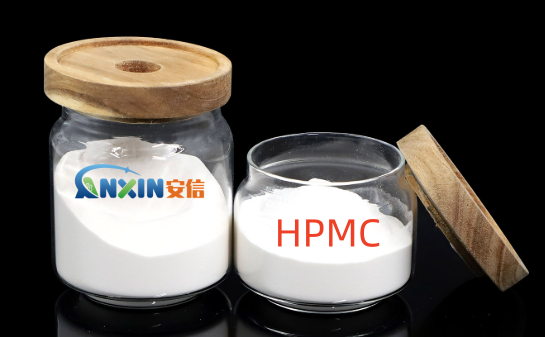
Hydroxypropyl Methylcellulose (HPMC) is a non-ionic cellulose ether. It is widely used in industrial flooring materials due to its excellent thickening, water retention, film-forming, construction rheology adjustment and other properties. Industrial flooring requires high wear resistance, strong adhesion, impact resistance, smoothness and chemical corrosion resistance, and the addition of HPMC can significantly improve the construction performance and finished product quality of flooring materials in multiple links.
1. Improve construction performance and fluidity
During the construction of industrial flooring, cement-based or resin-based self-leveling mortar needs to have good fluidity and construction time. HPMC can effectively thicken in the mixed system, stabilize the slurry structure, prevent solid-liquid separation, and ensure that the flooring material flows evenly during paving and leveling. At the same time, it can adjust the consistency, prevent mortar bleeding, and improve construction convenience. For self-leveling floors, HPMC can extend the open time, ensure that the material has sufficient self-flow and leveling time, and reduce construction defects.
2. Water retention and hydration reaction optimization
HPMC has excellent water retention and can retain moisture on highly absorbent substrates or in high-temperature dry environments, preventing the mixture from losing water and cracking early. In cement-based floors, water retention helps cement fully hydrate, improves early strength and final density, and thus improves the wear resistance and load-bearing performance of the floor. Good water retention can also reduce the risk of shrinkage cracks and improve the overall durability of the finished product.
3. Improve adhesion and crack prevention
In industrial floors, the adhesion between the material and the substrate is crucial. HPMC improves the wettability and interfacial adhesion of the mortar, enhances the bonding between the floor material and the concrete base, and reduces hollowing and delamination. At the same time, HPMC improves the flexibility and stress dispersion ability of the material, which helps to relieve internal stress and prevent cracking of the floor when the temperature changes or the load is impacted.
4. Improve surface quality and wear resistance
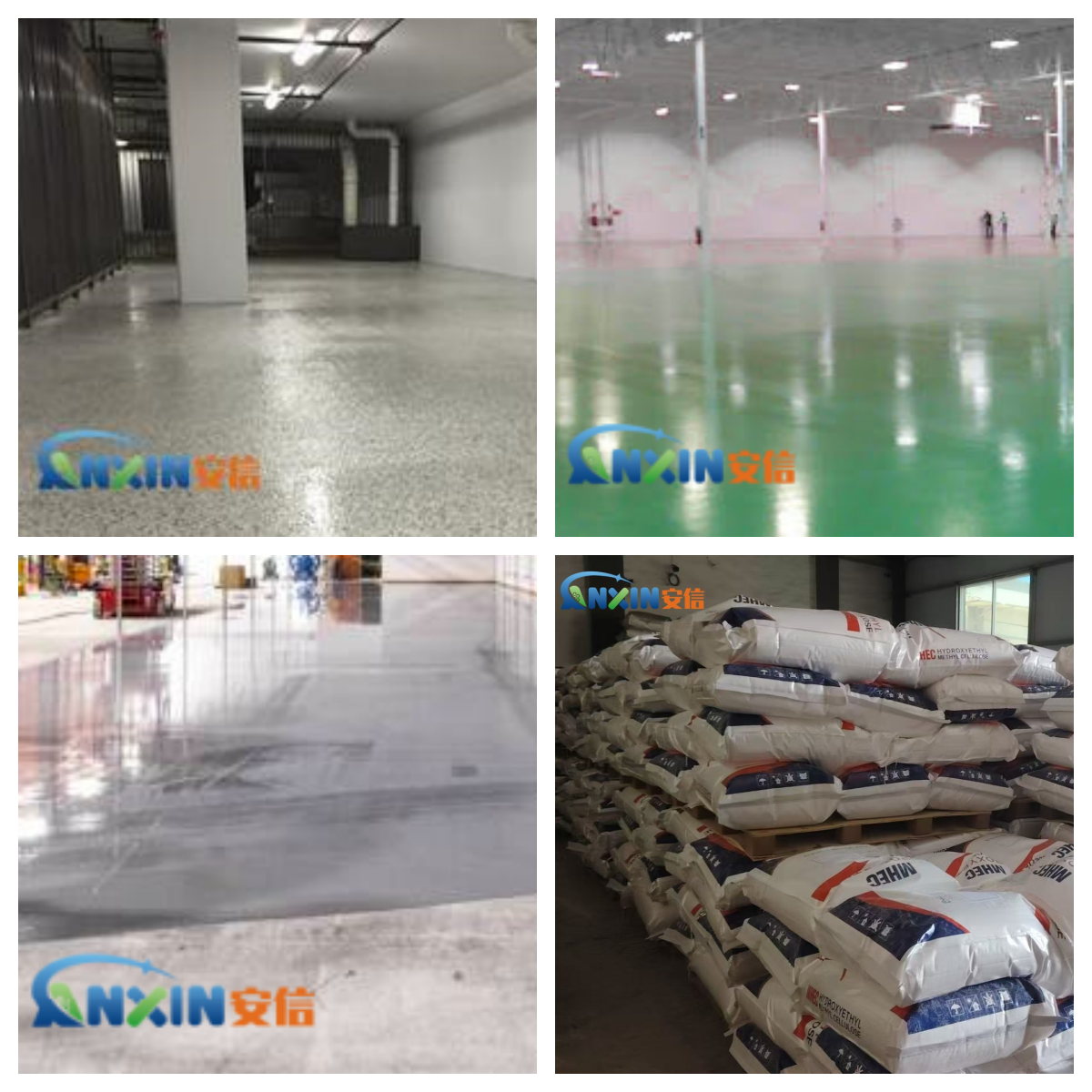
The floor surface with HPMC added is smoother and denser, reducing bubbles and sagging, and improving the appearance quality of the final floor. HPMC has a certain toughness after film formation, which can improve wear resistance and sand resistance. It is suitable for industrial, warehousing, electronic and pharmaceutical workshops with high requirements for surface quality.
5. Applicable to a variety of floor systems
HPMC is suitable for cement-based self-leveling, polymer-modified mortar, epoxy resin floor and other high-performance floor systems. It works synergistically with other additives such as redispersible latex powder (RDP), shrinkage reducer and anti-cracking fiber to further improve the toughness, crack resistance and durability of the floor.
6. Usage recommendations and selection
The dosage of HPMC in industrial floor is usually 0.1% to 0.5% of the mass of the cementitious material, which should be adjusted according to the type of floor and the required construction performance. HPMC with different viscosities and substitution degrees has different effects on construction properties and water retention: low-viscosity varieties are suitable for self-leveling systems, while high-viscosity varieties are suitable for leveling mortars. It is necessary to ensure that it is fully dispersed during use to achieve the maximum effect.
HPMC plays a significant role in optimizing the performance of industrial floor materials by improving fluidity, water retention, adhesion and surface quality. It not only improves construction efficiency and extends the working time of materials, but also enhances the durability and service life of finished products, meeting the needs of modern industrial flooring for high performance, high quality and long-term use.
Post time: Jul-24-2025